Buying for a group? Save with Curriculum Packs. Use the dropdown arrow next to Add to Cart to view discount pricing.
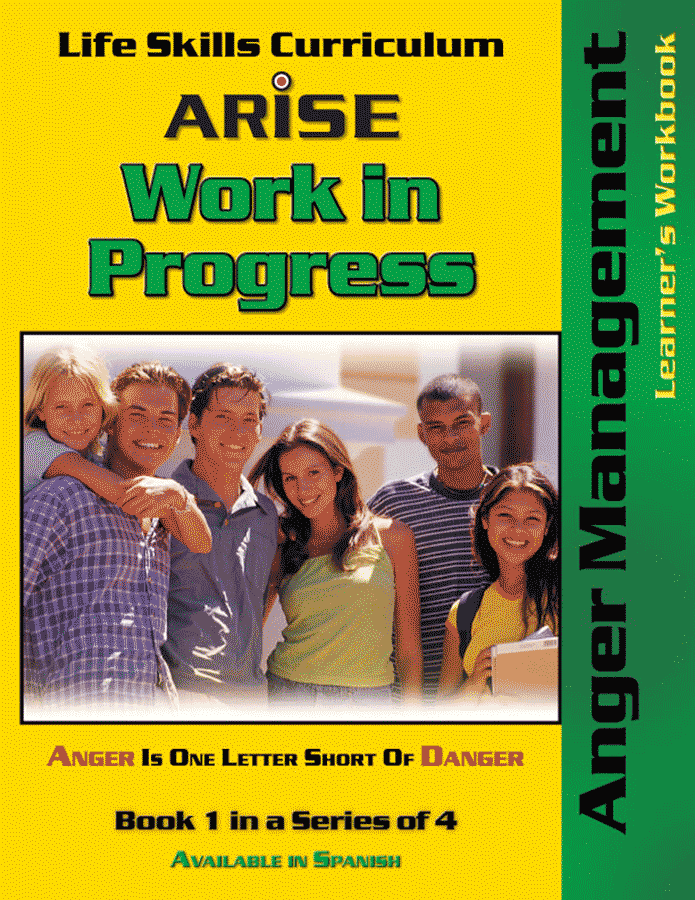
An anger management workbook for teens is a structured resource that helps students practice emotional regulation, identify triggers, and apply positive coping strategies through guided activities and reflection.
This evidence-based anger management curriculum for youth helps teens recognize emotional triggers, build self-control, and practice healthier responses through structured life skills lessons for teens. Designed as part of a life skills curriculum for at risk youth, this workbook is widely used as a curriculum for juvenile detention centers, high school programs, counseling groups, and intervention settings to support emotional regulation and positive decision-making.
Who This Workbook Is For
This structured workbook helps facilitators deliver consistent, discussion-based lessons that support behavior change and emotional growth. It aligns with evidence-based life skills curriculum models and supports staff training for at risk youth programs by providing clear, ready-to-use activities.
It is suitable for use in:
- High school life skills programs
- Alternative education settings
- Juvenile detention centers and diversion programs
- Counseling groups and intervention programs
The workbook can also support implementation as a life skills curriculum for middle school and is adaptable for programs focused on life skills for girls and co-ed youth groups.
What’s Included in this Anger Management Workbook
- Learner’s worksheets
- Motivational posters
- Short stories and biographies
- Reflection and application activities
What Teens Will Learn
Through structured activities, teens develop essential life skills, including:
- Understanding anger and emotional cues
- Communicating feelings safely
- Avoiding fights and risky behavior
- Applying conflict resolution strategies for youth
- Making positive, responsible decisions
These skills reinforce overall mental health for teens and help participants apply what they learn in real-world situations.
Frequently Asked Questions
Is this an evidence-based life skills curriculum?
Yes. This workbook is part of an evidence-based life skills curriculum designed to build emotional regulation, communication, and decision-making skills in teens. The activities are structured to reinforce learning through practice and reflection.
Can this workbook be used in juvenile justice facilities?
Yes. This anger management curriculum for youth is widely used as a curriculum for juvenile detention centers, as well as in diversion programs and youth justice settings. It supports structured learning and skill-building in group environments.
Is this a life skills curriculum for at risk youth?
Yes. It is specifically designed as a life skills curriculum for at risk youth in schools, counseling programs, and intervention settings. The workbook supports behavior change through guided participation and skill reinforcement.
Does this workbook include conflict resolution strategies for youth?
Yes. Teens learn practical conflict resolution strategies for youth, including de-escalation, communication techniques, and problem-solving skills they can apply in everyday situations.
Can this be used for group anger management classes?
Yes. It is ideal for group sessions in schools, counseling programs, and youth intervention settings, where discussion and shared learning enhance engagement and outcomes.
Is staff training available for facilitators?
Yes. ARISE offers online life skills facilitator training and staff training for at risk youth programs to support effective curriculum implementation and improve outcomes for participants.
Does this workbook support mental health for teens?
Yes. The lessons support mental health for teens by helping students understand emotions, manage stress, and develop healthier coping strategies that can be used beyond the classroom.